Source: https://twitter.com/AlHadath/status/1697809068839067885?s=19
L’avocat de Riad Salamé présente une action en responsabilité de l’Etat contre la chambre d’accusation
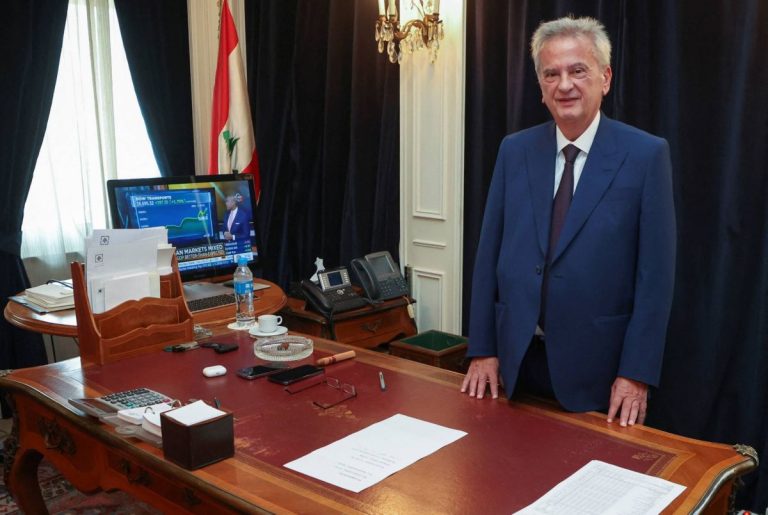
L’avocat de l’ancien gouverneur de la Banque du Liban Riad Salamé a présenté mardi devant l’assemblée plénière de la cour de cassation une action en responsabilité de l’Etat contre la chambre d’accusation de Beyrouth dans le dossier de l’enquête pour soupçons de corruption qui vise l’ex-patron de la BDL. M. Salamé, qui a dirigé la banque centrale depuis 1993, est également visé par plusieurs enquêtes en Europe, mais continue de se défendre contre toutes ces accusations. Une partie de l’opinion publique et des acteurs politiques le tiennent pour responsable de la crise économique qui frappe le Liban depuis 2019.
L’information de l’action contre l’Etat a été confirmée à L’Orient-Le Jour par l’avocat de M. Salamé. L’ex-patron de la BDL ne s’est pas présenté à son audition mardi matin devant la Chambre d’accusation de Beyrouth présidée par le juge Maher Cheaïto.
الآليات القانونية المتاحة لمحاكمة إسرائيل بعد حرب غزة 2023
I. ملخص تنفيذي
تستكشف ورقة السياسة هذه الآليات القانونية المتاحة لمحاكمة إسرائيل بتهمة انتهاك القانون الدولي خلال حرب غزة سنة 2023، وتحلل المبادئ الأساسية للقانون الدولي، بما في ذلك اتفاقيات جنيف الأربع والبروتوكولات والقرارات وغيرها من الاتفاقيات الدولية، وذلك لتقييم مسارات ممكنة للمساءلة القانونية، كما تُبرِز أهمية وجود إجراءات قضائية عادلة ونزيهة للتصدي لانتهاكات كهذه، وتعزيز العدالة، والمساهمة في تحقيق سلام دائم في العالم.
II. المقدمة
أثارت حرب غزة في سنة 2023 قلقاً كبيراً بسبب انتهاكات القانون الدولي الإنساني وحقوق الإنسان من جانب إسرائيل من دون رادع. وتسلط ورقة السياسة الراهنة الضوء، عبر آليات قانونية متنوعة، على ضمان المساءلة عن أي انتهاكات لهذه القوانين والمبادئ، كما تقدم نظرة عامة إلى السبل القانونية المتاحة لمحاكمة إسرائيل على أفعالها خلال حرب غزة.
1- الاتفاقيات الدولية والبروتوكولات والقرارات (القانون الدولي الإنساني):
توفر اتفاقيات جنيف الأربع – وهي سلسلة المعاهدات الدولية التي تنص على قواعد الحروب الإنسانية – حماية للمدنيين وغير المقاتلين خلال النزاعات المسلحة، وقد وقّعت إسرائيل هذه الاتفاقيات، لكن من دون المصادقة عليها، ولم تُدخل أحكامها ضمن قوانينها الداخلية. ويجب أن تؤدي الانتهاكات المرتكَبة، كاستهداف المدنيين والبنية التحتية المدنية واستخدام القوة بصورة مفرطة والتهجير القسري، إلى التحقيق والمحاكمة وفقاً لأحكام المواد رقم 3 و27 و49 من اتفاقية جنيف الرابعة لسنة 1949،[1] والتي ترعى وجوب حماية المدنيين، بالإضافة إلى المادة رقم 18 منها، والتي تحظر استهداف المنشآت الاستشفائية والطبية.
هذا بالإضافة إلى البروتوكول الأول لسنة 1977،[2] وتحديداً المادة رقم 79 منه بعنوان “تدابير حماية الصحفيين”، والتي تنص على موجب حماية الصحافيين، وهو الأمر الذي لم تلتزمه إسرائيل، بل على العكس، فقد قامت باستهدافهم على نحو مباشر. وكذلك الأمر، تندرج قرارات مجلس الأمن في هذا الإطار، كالقرار رقم 1738 بتاريخ 23/12/2006 بعنوان “حماية المدنيين في النزاعات المسلحة”.[3]
وعلى الرغم من أن إسرائيل لم تكن طرفاً في البروتوكولات العائدة إلى هذه الاتفاقيات لسنة 1977، فإن ذلك لا يسمح لها بالتنصل من موجبها في احترام المعايير الدولية الإنسانية.
وفي هذا الإطار، لا بد من تفعيل الآليات القانونية والقضائية لتحميل المسؤولين الإسرائيليين المسؤولية.
2- نظام روما الأساسي لسنة 1998 (المحكمة الجنائية الدولية الدائمة):
أنشأ نظام روما الأساسي المحكمة الجنائية الدولية كمحكمة دولية دائمة لمحاكمة الأفراد بتهم الجرائم الأكثر خطورة ذات الصلة دولياً؛ جرائم الحرب، والجرائم ضد الإنسانية، وجرائم الإبادة والعدوان، من دون إعفاء الرؤساء وقادة الدول من الملاحقة والمحاكمة والمحاسبة، وهو ما يعني أنهم لا يتمتعون بأي حصانة أمامها.[4] وعلى الرغم من أن إسرائيل ليست طرفاً في نظام روما، فإن المحكمة الجنائية الدولية تبقى لها صلاحية ممارسة الولاية القضائية في أوضاع معينة.
فقد نصت المادة رقم 13 من نظام روما الأساسي على ما يلي:
للمحكمة أن تمارس اختصاصها فيما يتعلق بجريمة مشار إليها في المادة 5 وفقاً لأحكام هذا النظام الأساسي في الأحوال التالية:
(أ) إذا أحالت دولة طرف إلى المدعي العام وفقاً للمادة 14 حالة يبدو فيها أن جريمة أو أكثر من هذه الجرائم قد ارتكبت؛
(ب) إذا أحال مجلس الأمن، متصرفاً بموجب الفصل السابع من ميثاق الأمم المتحدة، حالة إلى المدعي العام يبدو فيها أن جريمة أو أكثر من هذه الجرائم قد ارتكبت؛
(ج) إذا كان المدعي العام قد بدأ بمباشرة تحقيق فيما يتعلق بجريمة من هذه الجرائم وفقاً للمادة 15.[5]
وفي 5/2/2021، قضت الدائرة التمهيدية الأولى للمحكمة الجنائية الدولية بالأغلبية بما يلي:[6]
(1) انضمت فلسطين بشكل صحيح إلى نظام روما الأساسي وأصبحت بالتالي دولة طرفاً فيه؛ و(2) يمتد الاختصاص الإقليمي للمحكمة الجنائية الدولية إلى “الأراضي التي تحتلها إسرائيل منذ عام 1967، أي غزة والضفة الغربية، بما في ذلك القدس الشرقية.“
وقد جاء هذا القرار البالغ الأهمية بناء على طلب من مكتب المدعي العام للمحكمة الجنائية الدولية للحصول على تأكيد الاختصاص الإقليمي للمحكمة، بعد أن كانت المدعية العامة قد خلصت في وقت سابق إلى وجود أساس معقول للاعتقاد بأن:
جرائم حرب قد ارتكبت أو يجري ارتكابها في الضفة الغربية، بما فيها القدس الشرقية، وقطاع غزة.[7]
ويقول سعيد بن عربية، مدير برنامج الشرق الأوسط وشمال أفريقيا في محكمة العدل الدولية:
“إن الحكم هو خطوة أولى نحو كسر دائرة الإفلات من العقاب على الجرائم المنصوص عليها في القانون الدولي التي ارتكبتها جميع أطراف النزاع في فلسطين.” “ويجب على المدعي العام أن يفتح تحقيقاً على الفور بهدف إثبات الحقائق حول مثل هذه الجرائم، وتحديد وملاحقة المسؤولين عنها.“[8]
3- مجلس الأمن الدولي (الأمم المتحدة):
يتمتع مجلس الأمن الدولي بسلطة التصدي لتهديدات السلم والأمن الدوليين بموجب المادة رقم 39 من ميثاق الأمم المتحدة، ويمكنه إنشاء محاكم دولية خاصة “Ad hoc” أو الإحالة إلى المحكمة الجنائية الدولية للتحقيق والمحاكمة، إلاّ إن ممارسة المجلس لهذه السلطة يخضع للتصويت، أي للإرادة السياسية، وهو ما يؤدي في أحيان كثيرة إلى استخدام حق النقض الـ”Veto” من جانب الأعضاء الدائمين (الاتحاد الروسي، والولايات المتحدة، والصين، وفرنسا، والمملكة المتحدة)، وبالتالي عرقلة صدور قرار واضح ومتين.
ولدى المجلس الخياران التاليان:
– الإحالة إلى المدعي العام للمحكمة الجنائية الدولية الدائمة وفقاً للفصل السابع من ميثاق الأمم المتحدة.
– إنشاء محكمة جنائية دولية خاصة بمقتضى أحكام الفصل السابع لمقاضاة المرتكبين.
وبالتالي، تواجه جهود إحالة حرب غزة إلى المحكمة الجنائية الدولية تحديات سياسية في مجلس الأمن، إذ يمكن أن يعوق التضارب في المصالح بين الدول الأعضاء، ولا سيما الدائمين منهم، الوصول إلى العدالة. ومع ذلك، فإن مجلس الأمن يظل خياراً ممكناً، بل أساسياً أيضاً لطلب المساءلة إذا توافقت الإرادة السياسية.
4- محكمة العدل الدولية (اتفاقية منع الإبادة الجماعية والمعاقبة عليها):
إن محكمة العدل الدولية مختصة لجهة محاكمة الدول وليس الأفراد، وتقديم آراء استشارية بشأن المسائل القانونية التي تحيلها إليها أجهزة الأمم المتحدة ووكالاتها المتخصصة. وجاء في الفقرة الأولى من المادة رقم 34 من نظام المحكمة (الملحق أساساً بميثاق الأمم المتحدة):
الدول فقط هي التي يجوز لها أن تكون أطرافاً في القضايا المعروضة على المحكمة.[9]
ونظرت هذه المحكمة في مسائل تتعلق بعدم احترام اتفاقية منع الإبادة الجماعية، كقضية البوسنة – الهرسك/ يوغسلافيا (صربيا ومونتينيغرو)، وأصدرت تدابير موقتة عديدة قبل صدور الحكم بشأنها.
وفي هذا الإطار، نشير إلى أن إسرائيل وقّعت هذه الاتفاقية في 11 كانون الأول/ديسمبر 1948 وصادقت عليها في 9 آذار/مارس 1950، وقد وافقت على جميع أحكامها، بما فيها النص المتعلق بصلاحية المحكمة الإلزامية من دون أي تحفُّظ، وفي جميع الأحوال، فإن هذه الاتفاقية ملزمة لجميع الدول، سواء أصادقت عليها أم لا.
وتنص المادة رقم 9 من اتفاقية منع الإبادة الجماعية والمعاقبة عليها على ما يلي:
تعرض على محكمة العدل الدولية، بناءً على طلب أي من الأطراف المتنازعة، النزاعات التي تنشأ بين الأطراف المتعاقدة بشأن تفسير أو تطبيق أو تنفيذ هذه الاتفاقية، بما في ذلك النزاعات المتصلة بمسؤولية دولة ما عن إبادة جماعية أو عن أي من الأفعال الأُخرى المذكورة في المادة الثالثة.[10]
5- الجمعية العامة للأمم المتحدة:
في حال فشل مجلس الأمن في إصدار قرار ما، يمكن “الالتفاف” عليه عبر الاتجاه نحو هيئة أُخرى تكون جميع الدول متساوية أمامها في حق التصويت، والمقصود هنا الجمعية العامة التي تُعتبر معبراً لفضح هذه الانتهاكات وتأكيد حدوثها عبر ما يُعرف بـ”الاتحاد من أجل السلام”، بموجب القرار الذي اتخذته الجمعية سنة 1950 تحت الرقم 377/5، وبناء على مبادرة من الولايات المتحدة الأميركية.[11]
وسبق أن تم اللجوء إلى هذه الآلية بشأن الجدار الفاصل في فلسطين سنة 2003؛ إذ جرت مطالبة محكمة العدل الدولية برأي استشاري، وأصدرت في حينها رأيها اعتماداً على القرار رقم 377/5 المذكور أعلاه.[12]
هذا يُظهر أن الجمعية العامة تشكّل ملجأ احتياطياً لإدانة هذه الانتهاكات، وفقاً لقرار “الاتحاد من أجل السلام”، وذلك من دون الحاجة إلى المرور بمجلس الأمن، الأمر الذي يُعتبر وسيلة قانونية وعملية للمجتمع الدولي من أجل التعامل مع المواقف والجرائم الخطِرة، بشرط توفر الإرادة السياسية والاستعداد الفعلي لمحاكمة المتهمين.
6- لجان التحقيق وبعثات تقصّي الحقائق:
غالباً ما يتم اللجوء إلى لجان التحقيق وبعثات تقصّي الحقائق في مواجهة حالات انتهاكات القانون الدولي الإنساني وحقوق الإنسان، وتُشكَّل اللجان والبعثات المذكورة من مجلس الأمن و/أو الجمعية العامة و/أو مجلس حقوق الإنسان و/أو الأمين العام للأمم المتحدة و/أو المفوض السامي لحقوق الإنسان. وفي السنوات العشرين الماضية، تم إنشاء العديد منها لتوثيق انتهاكات حقوق الإنسان والقانون الإنساني في مختلف أنحاء العالم، بما في ذلك فلسطين المحتلة، مع الإشارة إلى أن مجلس حقوق الإنسان كلف مؤخراً إجراء “لجنة التحقيق الدولية المستقلة المعنية بالأرض الفلسطينية المحتلة، بما في ذلك القدس الشرقية، وإسرائيل” في 27 أيار/مايو 2021 إلى الوقت الحاضر، بالإضافة إلى “لجنة تحقيق الأمم المتحدة في الانتهاكات المرتكبة خلال الاحتجاجات في الأراضي الفلسطينية المحتلة” في 18 أيار/مايو 2018 إلى آذار/ مارس 2019.[13]
أيضاً، تؤدي اللجنة الدولية للصليب الأحمر (الصليب الأحمر) دوراً حيوياً في رصد اتفاقيات جنيف وتعزيز التزامها، إذ يمكن للصليب الأحمر التحقيق في الانتهاكات المزعومة وتقديم تقارير عن النتائج للمجتمع الدولي وفقاً للمادة رقم 90 من البروتوكول الأول الإضافي لسنة 1977[14] بعد أن كانت اللجنة قد أصدرت سلسلة قواعد دولية في هذا الشأن.
7- التحقيقات الجنائية:
تؤدي التطورات في التحقيقات الجنائية دوراً أساسياً في جمع الأدلة على الانتهاكات المزعومة، ويمكن لصور الأقمار الصناعية والتحقيقات الرقمية وغيرها من الأدوات التكنولوجية، بالإضافة إلى شاشات التلفزيون بنقلها الحي المباشر، ووسائل التواصل الاجتماعي، توفير وثائق قيّمة للأحداث خلال الحرب. وتعزز هذه الوسائل والتقنيات قدرة الهيئات الدولية والمنظمات غير الحكومية والسلطات الوطنية على بناء بيانات توثيقية للمحاكمات.
هذا ويجب على المجتمع الدولي الاستثمار في التكنولوجيا المتقدمة ودعم استخدامها لضمان جمع أدلة موثوقة وقابلة للتحقق، فذلك لا يعزز فقط رصد الحالات القانونية فحسب، بل أيضاً يساهم في تحقيق الهدف الأوسع لإقامة سجل تاريخي دقيق، وتعزيز المساءلة، وردع الانتهاكات المستقبلية.
8- تعزيز الأطر القانونية الدولية:
تعتمد فاعلية الآليات القانونية على قوة الأطر القانونية الدولية. وعلى المجتمع الدولي أن يسعى باستمرار لتعزيز الأطر القائمة وتوضيحها، مع التركيز على سد الفجوات، ولا سيما السياسية منها، وتوضيح الغموض الذي غالباً ما يعوق محاكمة الأفراد بتهم جرائم الحرب والجرائم ضد الإنسانية والإبادة الجماعية. كما يتوجب تشجيع الدول وتحفيزها على تصديق وتنفيذ المعاهدات الدولية التي تعزز الأطر القانونية للمساءلة، الأمر الذي يساهم في تحقيق “العالمية” للاتفاقيات، وفي بناء نظام أكثر تناسباً وتماسكاً للعدالة الدولية.
9- الاختصاص الوطني والاختصاص الشامل:
يسمح هذا المبدأ، المعروف باسم الاختصاص الإنساني الشامل للدول، بمحاكمة الأفراد بتهمة الجرائم الخطِرة، بغض النظر عن مكان ارتكاب الجرائم أو جنسية المتهم. وبالتالي، فإنه يمكن مراجعة المحاكم الوطنية الأجنبية من جانب فلسطينيين يحملون جنسيات أجنبية وفقاً لأحكام اتفاقيات جنيف في دول أميركية جنوبية أو أوروبية كبلجيكا.
وقد نصت لائحة مجلس الأمن رقم 1265 الصادرة بتاريخ 17/9/1999 على ما يلي:
تشدد على مسؤولية الدول لإنهاء الإفلات من العقوبة ومحاكمة المسؤولين عن جرائم الإبادة وجرائم الحرب وانتهاكات جسيمة للقانون الإنساني الدولي.[15]
على الرغم من أن محاكمة المسؤولين الكبار في دولة أجنبية يمكن أن تواجه تحديات سياسية، فإنه يمكن للدول ذات قوانين الاختصاص الشامل بدء إجراءات قانونية ضد الأفراد المتهمين بارتكاب جرائم حرب أو جرائم ضد الإنسانية أو الإبادة الجماعية. هذا مع الإشارة إلى أن هذا الموضوع غالباً ما يصطدم بصعوبات ومعوقات على مستوى التطبيق، وخصوصاً من ناحية التنازع بشأن صلاحية الدول، لكن ليس هناك ما يمنع أن تطرق فلسطين هذا الباب بمساندة دول صديقة.
10- بناء قدرات الأنظمة القانونية الوطنية:
على المجتمع الدولي تمكين الأنظمة القانونية الوطنية لمواجهة الجرائم الدولية ضمن اختصاصاتها لفاعلية الآليات القانونية بصورة عامة، وذلك عن طريق تقديم المساعدة الفنية والتدريب والموارد والدعم السياسي لتعزيز قدرات المؤسسات القانونية الوطنية، الأمر الذي يعزز من قدرتها على إجراء تحقيقات ومحاكمات عادلة ونزيهة.
وفي هذا الإطار، وتأكيداً لما أشرنا إليه سابقاً، يمكن للمحاكم الوطنية ذات الاختصاص الجنائي الدولي أن تقوم بالملاحقة، إذ إن عدداً من الإسرائيليين واجهوا سابقاً تحديات خلال تجولهم في بعض الدول الأوروبية بعد قيام نشطاء بالتقدم بشكاوى ضدهم في بعض البلاد، إلاّ إن تدخُّل بعض الحكومات حال دون تنفيذها.[16]
11- التوعية العامة:
تؤدي التوعية العامة دوراً مهماً في ضمان عدم نسيان الانتهاكات المزعومة خلال حرب غزة وضمان استمرار الضغط من أجل المساءلة، وتمارس المنظمات المدنية المجتمعية غير الحكومية ونشطاء حقوق الإنسان ووسائل الإعلام أدواراً حيوية في زيادة الوعي بأهمية العدالة، وتوثيق انتهاكات حقوق الإنسان، والتشديد على المساءلة القانونية، وأيضاً حماية الصحافيين.
وعلى المجتمع الدولي دعم أصوات الذين يطالبون بالعدالة والمساءلة وتعزيزها، سواء أكانوا داخل منطقة النزاع أم خارجها. ويمكن أن يؤثر الضغط العام في القرارات السياسية، ويساهم في تنفيذ الآليات القانونية، إذ إن التفاعل مع مشاعر الجمهور وآرائه يساهم في تشكيل استجابات دولية تجاه الانتهاكات المزعومة.
12- الدروس المستفادة والوقاية:
على المنظمات الدولية والحكومات والكيانات غير الحكومية إجراء تقييمات دقيقة لتحديد الأسباب الجذرية للنزاع، وفاعلية الآليات القانونية، والمجالات التي يمكن تحسينها.
ومن شأن الدروس المستنتجة من حرب غزة أن تساهم في تطوير إجراءات أكثر فاعلية للوقاية من النزاعات المستقبلية، بما في ذلك المبادرات الدبلوماسية وأنظمة التحذير المبكر واستراتيجيات التعامل مع المستويات الاقتصادية والاجتماعية المتفاوتة التي تساهم في حل النزاعات.
III. الختام:
مع توجه المجتمع الدولي إلى رسم معالم مرحلة ما بعد حرب غزة، يجب أن يظل ملتزماً تحقيق مبادئ القانون الدولي، وضمان عملية قضائية عادلة ونزيهة، ومعالجة جذور النزاع. إن تكامل الآليات القانونية مع المبادرات الدبلوماسية يُعتبر إجراءً أساسياً لبناء سلام عادل ودائم في المنطقة، وإلاّ فسيبقى عدم الاستقرار ماثلاً إلى الأبد.
ويتطلب السعي نحو المساءلة جهوداً كبيرة تتمثل في تبنّي نهج شامل للمحاسبة، مع العلم أن العدالة الجنائية الدولية هي عدالة نسبية، وعملية تحقيقها والولوج إليها غالباً ما تمرّ عبر مجلس الأمن الدولي، لكنها تبقى قابلة للتحقيق “ولو بعد حين”، إذ إنها لا تخضع للسقوط بمرور الزمن.
وفي هذا الإطار، يبقى لمجلس الأمن الدولي خيار اللجوء إلى إنشاء محكمة جنائية دولية خاصة أو الإحالة إلى المحكمة الجنائية الدولية الدائمة بمقتضى أحكام الفصل السابع من ميثاق الأمم المتحدة، الأمر الذي يحتاج إلى توافق الإرادة السياسة، غير المتوافرة حالياً.
وإلاّ، وباعتبار إسرائيل غير منضمة إلى نظام روما الأساسي، يمكن للمحكمة الجنائية الدولية الدائمة أن تضع يدها على القضية إذا أحالت دولة طرف الملف إلى المدعي العام، أو إذا كان المدعي العام قد بدأ على نحو تلقائي بمباشرة تحقيق في القضية، وهو الأمر المعوَّل عليه راهناً.
إن تفعيل الآليات القانونية والقضائية بشتى الطرق أمر أساسي لتحميل إسرائيل المسؤولية، وذلك ممكن عبر دعوة الأطراف في اتفاقية جنيف الرابعة من أجل إلزام إسرائيل احترام أحكامها، أو اللجوء إلى الجمعية العامة استناداً إلى قرار “الاتحاد من أجل السلام” من دون الحاجة إلى المرور بمجلس الأمن، بشرط توفر الإرادة السياسية والاستعداد الفعلي لمحاكمة المتهمين.
لذا، على المجتمع الدولي، بجميع أطرافه، أن يتحمل مسؤوليته في المحافظة على السلم والأمن الدوليين وتعزيزهما، وخصوصاً عن طريق تفعيل مجلس الأمن وقراراته والإجراءات اللازمة لحل النزاعات بعدالة، والمحافظة على حقوق جميع الدول والأفراد وكرامتهم بعيداً عن الانحياز السياسي.
[1] “اتفاقية جنيف الرابعة بشأن حماية الأشخاص المدنيين في وقت الحرب المؤرخة في 12آب/أغسطس 1949“، اللجنة الدولية للصليب الأحمر.
[2] “الملحق (البروتوكول) الأول الإضافي إلى اتفاقيات جنيف، 1977“، اللجنة الدولية للصليب الأحمر، 21/11/2017.
[3] “القرار 1738 (2006) الذي اتخذه مجلس الأمن في جلسته 5613، المعقودة في 23 كانون الأول/ديسمبر 2006“، مجلس الأمن.
[4] Paul Seils, Handbook on Complementarity: An Introduction to the Role of National Courts and the ICC in Prosecuting International Crimes, International Center for Transitional Justice, pp. 11-14; Accessed on 2nd of December 2023.
[5] “ألف – نظام روما الأساسي للمحكمة الجنائية الدولية“.
[6] Palestine/Israel: ICC decision an important step towards accountability for crimes under international law, International Commission of Jurists, 08/02/2021.
[7] Ibid.
[8] Ibid.
[9] النظام الأساسي لمحكمة العدل الدولية الملحق بميثاق الأمم المتحدة.
[10] “اتفاقية منع جريمة الإبادة الجماعية والمعاقبة عليها: معاهدات 09-12-1948“، اللجنة الدولية للصليب الأحمر.
[11] “الاتحاد من أجل السلام: قرار الجمعية العامة 377 (د – 5)“، مكتبة الأمم المتحدة السمعية البصرية للقانون الدولي.
[12] “الدورة الاستثنائية الطارئة العاشرة، البند 5 من جدول الأعمال الإسرائيلية غير القانونية في القدس الشرقية المحتلة وبقية الأرض الفلسطينية المحتلة: فتوى محكمة العدل الدولية بشأن الآثار القانونية الناشئة عن تشييد جدار في الأرض الفلسطينية المحتلة“، الجمعية العامة للأمم المتحدة، 13/7/2004.
[13] “لجان التحقيق وبعثات تقصي الحقائق المعنية بالقانون الدولي لحقوق الإنسان والقانون الدولي الإنساني: توجيهات وممارسات“، الأمم المتحدة، حقوق الإنسان، مكتب المفوض السامي، (نيويورك وجنيف 2015).
[14] المصدر نفسه.
[15] Security Council Concludes Two-Day Meeting on Protection of Civilians in Armed Conflict, Press Release, Resolution 1265 (1999), 17/9/1999.
[16] “الخطوات العملية لملاحقة إسرائيل على جرائمها في غزة“، “الجزيرة”، 27/11/2023.
1
Legal Measures Available to Bring Israel to Trial Following the Gaza War of 2023
I. Executive Summary
This policy paper attempts to investigate the legal measures available to bring Israel to trial, charged with violations of international law during its war on Gaza in 2023. It aims to analyze the basic principles of international law, including the four Geneva Conventions and other international protocols, resolutions, and agreements, and to assess potential legal measures to be followed. The paper further highlights the importance of existing, fair and honest legal procedures dealing with such violations, in order to enhance justice and contribute to the establishment of permanent world peace.
II. Introduction
The 2023 war on Gaza has raised very serious concerns due to the unrestrained violations by Israel of international humanitarian law and human rights. By citing diverse legal procedures, this policy paper seeks to throw light on the question of accountability for any violations of these laws and principles, and to survey, in general terms, the legal procedures available to bring Israel to trial for its actions during the Gaza War.
1. International agreements, protocols, and resolutions (International Humanitarian Law)
The Four Geneva Conventions constitute a series of international agreements governing the principles of human wars, and the protection of civilians and non-combatants during armed conflicts. Israel signed but did not ratify the Geneva Conventions, nor did it include them in their domestic legislation. The violations committed, such as targeting civilians and civilian infrastructures, the excessive use of force, and forcible expulsions should result in investigation and trial in accordance with articles 3, 27 and 49 of the Fourth Geneva Convention of 1949[1], regarding the necessity of protecting civilians, as well as article 18, which prohibits the targeting of health and medical establishments.
Furthermore, the first Protocol of 1977[2], particularly article 79 entitled “Measures of protection for journalists”, specifies the obligation to protect journalists, a matter not respected by Israel. On the contrary, Israel deliberately targeted them, nor did it abide by UN Security Council resolutions to this effect, for instance Resolution number 1738, of December 23, 2006, entitled “Protection of civilians in armed conflict.” [3]
Even though Israel is not party to the protocols attached to these conventions in 1977, this nevertheless does not allow it to shirk its responsibility to abide by international humanitarian principles.
In this context, one must activate the legal and juridical measures that permit holding Israeli officials to account.
2. The Rome Statute of the International Criminal Court of 1998
The Rome Statute established the International Criminal Court (hereafter ICC) as a permanent international court to try individuals accused of the most serious crimes of international import such as war crimes, crimes against humanity, and crimes of genocide and the crime of aggression. The Statute does not exempt national leaders and heads of state from prosecution, trial and accountability, which means that they do not enjoy any immunity before this court.[4] Although Israel is not party to the Rome Statute, the International Criminal Court does possess competence to exercise legal power in certain circumstances. Thus, Article 13 of the Rome Statute states:
“The Court may exercise its jurisdiction with respect to a crime referred to in article 5 in accordance with the provisions of this Statute if:
(a) A situation in which one or more of such crimes appears to have been committed is referred to the Prosecutor
by a State Party in accordance with article 14;
(b) A situation in which one or more of such crimes appears to have been committed is referred to the Prosecutor
by the Security Council acting under Chapter VII of the Charter of the United Nations; or
(c) The Prosecutor has initiated an investigation in respect of such a crime in accordance with article 15.”[5]
On February 5, 2021, the ICC Pre-Trial Chamber I held by majority that[6]: “(i) Palestine has correctly acceded to the Rome Statute and has thus become a State party to it; and (ii) the ICC’s territorial jurisdiction extends to the territories occupied by Israel since 1967, namely Gaza and the West Bank, including East Jerusalem.”
This highly important decision was taken as a result of a request submitted by the office of the Prosecutor-General of the ICC to emphasize the regional competence of the court after the Prosecutor-General had concluded earlier on that there is reasonable basis for the view that: “war crimes had been, or are being committed in the West Bank, including East Jerusalem, and in the Gaza Strip.” [7]
Said Benarbia, the ICC’s MENA Programme Director stated[8]: “The ruling is a first step towards breaking the cycle of impunity for crimes under international law committed by all parties to the conflict in Palestine. The Prosecutor should immediately open an investigation with a view to establishing the facts about such crimes, and identifying and prosecuting those most responsible.”
3. UN Security Council
The UN Security Council is empowered with confronting all threats to international peace and security, as per Article 39 of the UN Charter, and can create special Ad Hoc tribunals or else refer cases to the ICC for investigation and trial. However, to exercise this power, the Council needs to vote, or in other words is subject to the political will of its members, which in many cases leads to the use of the veto by the permanent members of the Council who are the Russian Federation, the United States, China, France and the United Kingdom, thereby preventing the adoption of a firm and clear resolution.
The Council has two options:
–It can either refer the matter to the Prosecutor-General of the ICC in accordance with Chapter VII of the UN Charter or,
–It can create a special criminal tribunal in accordance with Chapter VII to try those responsible for the crimes.
Accordingly, any attempt to refer the Gaza War to the ICC will come up against political challenges in the Security Council, where conflicts of interest among member states, especially permanent members, could impede the course of justice. Nevertheless, the Security Council remains a viable, indeed essential alternative to demand accountability provided there is consensus of political will.
4. The International Court of Justice (Convention for the Prevention and Punishment of the Crime of Genocide)
The International Court of Justice (hereafter ICJ) jurisdiction allows for deciding cases involving states but not individuals, and it gives advisory opinions on legal questions at the request of the organs of the United Nations and its specialized agencies. Article 34, paragraph 1, of the Statute of the ICJ (originally appended to the UN Charter) states: “Only states may be parties in cases before the Court.”[9] The ICJ examined cases relating to non-observance of the Convention for the Prevention of Genocide as in Bosnia-Herzegovina /Yugoslavia (Serbia and Montenegro) and issued certain temporary measures prior to passing judgment.
In this regard, one must note that Israel signed that Convention on December 11, 1948 and ratified it on March 9, 1950. It agreed to all its provisions, including the text relating to the compulsory jurisdiction of the Court without expressing any reservations. In any case, this Convention obliges all states to abide by it, whether or not they signed it.
Article IX of the Convention for the Prevention and Punishment of the Crime of Genocide states: “Disputes between the Contracting Parties relating to the interpretation, application or fulfilment of the present Convention, including those relating to the responsibility of a State for genocide or for any of the other acts enumerated in article III, shall be submitted to the International Court of Justice at the request of any of the parties to the dispute.” [10]
5. The UN General Assembly
When the Security Council is unable to adopt a resolution, it is possible to “circumvent” it by addressing another body where all states enjoy equal voting rights. What is intended here is the UN General Assembly which is considered the venue to expose and authenticate the occurrence of violations by means of what is known as Resolution 377 A, the “Uniting for Peace” resolution, passed by the General Assembly in 1950, and upon the initiative of the United States.[11]
Recourse to this mechanism occurred already in 2003 with regard to the Separation Wall in Palestine, when the ICJ requested an advisory opinion then issued its judgment, based on the above-mentioned Resolution 377 A.[12]
This demonstrates that the General Assembly constitutes an additional venue for condemning violations, in line with the “Uniting for Peace” resolution and without the need to resort to the Security Council. This in turn may be considered a legal and pragmatic means available to the international community to deal with serious policies or crimes, provided there is a real political will and effective readiness to put the accused on trial.
6. Investigative committees and fact-finding commissions
In cases involving violations of international humanitarian law and of human rights, recourse is mostly had to investigative committees and fact-finding commissions. These above-mentioned committees and commissions are formed by the Security Council and/or the General Assembly and /or the Human Rights Council and/or the UN Secretary-General and/or the High Commissioner for Human Rights. In the past twenty years, many such committees and commissions were formed to authenticate violations of human rights and of international humanitarian law throughout the world, including in occupied Palestine. Of note is the fact that the Human Rights Council was recently delegated to establish “an ongoing, independent, international commission of inquiry to investigate, in the Occupied Palestinian Territory, including East Jerusalem, and in Israel, all alleged violations of international humanitarian law and abuses of international human rights law leading up and since May 27, 2021”. This, in addition to a “UN Commission of Inquiry to investigate violations committed during the protest movements in the occupied Palestinian territories” (18 May, 2018-March, 2019)[13]
Furthermore, the International Committee of the Red Cross (Red Cross) plays a vital role in observing and reinforcing adherence to the Geneva Conventions, since the Red Cross can investigate alleged violations and submit its reports to the international community as per Article 90 of the First Additional Protocol for 1977 [14] [Protocol I] after the Committee had issued a series of international principles in this regard.
7. Criminal Investigations
Developments on the ground play an essential role in data gathering related to alleged violations. Thus, satellite photos and digital investigations, together with other technological devices and in addition to TV stations that carry live events and social media outlets, these provide valuable documentation of events in wartime. Such means and technologies enhance the ability of international bodies, NGOs and national governments to assemble documentary evidence for presentation at trials.
The international community must invest in advanced technology and encourage its use to guarantee the gathering of credible evidence that can be authenticated. This does not merely enhance the close observation of legal cases but contributes also to the larger aim of establishing an accurate historical record, strengthening accountability, and deterring future violations.
8. Enhancing international legal frameworks
The efficacy of legal measures depends upon the strength of the international legal frameworks. The international community ought to strive to constantly enhance and clarify the current legal frameworks, with particular emphasis upon closing the gaps, especially political gaps, and clarifying the ambiguities that often impede putting individuals on trial on charges to do with war crimes, crimes against humanity and genocide. States must also be encouraged and urged to ratify and implement international agreements which fortify the legal frameworks pertaining to accountability, thus contributing to achieving a truly international character for these agreements, and in building a structure more in tune with international justice.
9. National and Comprehensive Jurisdiction
This principle, known as comprehensive humanitarian jurisdiction, permits putting individuals on trial for serious crimes, irrespective of the place where the crimes were committed or the nationality of the accused. Therefore, Palestinians holding foreign passports can apply to foreign national courts, in accordance with the provisions of the Geneva Conventions, in certain states in South America or in certain European states, like Belgium.
UN Security Council Resolution 1265, issued on September 17, 1999,[15] stated that the Council: “emphasizes the responsibility of States to end impunity and to prosecute those responsible for genocide, crimes against humanity and serious violations of international humanitarian law.”
Although putting on trial senior officials of a foreign state presents certain political difficulties, states which possess laws allowing comprehensive jurisdiction can commence legal procedures against individuals accused of war crimes, crimes against humanity or genocide. To be noted, however, is the fact that this matter frequently comes up against difficulties and impediments as regards implementation, especially conflicts over the competence of states. But there is nothing to prevent Palestine from resorting to this measure with the help of friendly states.
10. Building up the efficacy of national legal structures
The international community ought to enable their national legal structures to deal with international crimes within their own competence in empowering their legal measures in general. This can be done by offering technical aid, training sessions, resources and political support to enhance the capabilities of national legal institutions and thus enhancing their ability to conduct investigations and hold just and honest trials.
In this context, and emphasizing the points made above, national courts with international criminal competence can initiate legal prosecutions, in view of the fact that several Israeli individuals had previously faced challenges when visiting certain European countries after some activists had submitted accusations against them in some countries. However, the intervention of some governments prevented implementation.[16]
11. General awareness
General awareness plays an important role in ensuring that the alleged violations committed during the war on Gaza are not forgotten and in maintaining the pressure for securing accountability. NGO’s, human rights activists, and the media play vital roles in increasing awareness of the necessity for justice, in documenting violations of human rights and in emphasizing legal accountability and the protection of journalists.
The international community ought to support and enhance the voices of those who call for justice and accountability, be it inside or outside the zone of conflict. Pressure from public opinion can influence political decisions and contribute to implementing legal measures, since reacting to the feelings and views of the masses would help in forming international responses to the alleged violations.
12. Lessons learnt and prevention
International entities, governments and non-governmental organizations must conduct precise investigations and assessments to determine the basic causes of the conflict, the efficacy of legal measures and the areas where these can be improved. The lessons learnt from the war on Gaza may contribute to developing more effective measures of prevention in future conflicts. This includes diplomatic initiatives, early warning systems, and strategies to deal with the diverse economic and social levels that contribute to solving conflicts.
III. Conclusion
As the international community moves towards drawing up the parameters of the period following the war on Gaza, it must also remain committed to enforcing the principles of international law, ensuring just and honest legal procedures, and treating the roots of conflicts. The conjuncture of legal measures with diplomatic initiatives are considered essential processes for building a fair and permanent peace in the region. Otherwise, instability will prevail forever.
The pursuit of accountability requires expending major efforts which consist in adopting a comprehensive procedure for accountability, given the fact that international criminal justice is a relative justice. Implementing it and accessing it usually has to pass through the UN Security Council but it remains achievable “even after a time”, since it does not lapse with time.
In this context, the Security Council still has the option of creating a special international criminal court (Ad Hoc) or referring the issue to the permanent ICC in accordance with Chapter VII of the UN Charter, a matter requiring unanimity of political will, currently lacking.
Otherwise, and in view of the fact that Israel is not party to the Rome Statute, the ICC can take up the case if a state, party to that statute, refers the file to the Prosecutor General or if the Prosecutor on his own initiative commences an investigation of the case, which in the current circumstances is to be expected.
Activating legal and juridical measures in every possible way is essential if Israel is to be held responsible. This is possible by calling upon parties to the Fourth Geneva Convention to force Israel to respect its provisions, or else resorting to the UN General Assembly in accordance with the “Uniting for Peace” Resolution, without needing to pass by the Security Council, provided there exists the necessary political will and a real readiness to put perpetrators on trial.
Hence, the international community and all its bodies must bear their responsibility to preserve and enhance international peace and security, especially through empowering the Security Council and implementing its resolutions and other necessary measures to settle conflicts justly, and to respect the rights and dignity of all states and individuals, free from political partisanship.
[1] https://www.icrc.org/ar/doc/resources/documents/misc/5nsla8.htm
[2] https://www.icrc.org/ar/resources/documents/treaty/protocol-i-additional-to-the-geneva-conventions
[3] https://documents-dds-ny.un.org/doc/UNDOC/GEN/N06/681/58/PDF/N0668158.pdf?OpenElement
[4]https://www.ictj.org/sites/default/files/ICTJ_Handbook_ICC_Complementarity_2016.pdf
[5] https://legal.un.org/icc/statute/arabic/rome_statute(a).pdf
[6] https://www.icj.org/palestine-israel-icc-decision-an-important-step-towards-accountability-for-crimes-under-international-law/
[7] Ibid
[8] Ibid
[9] Statute of the International Court of Justice annexed to the Charter of the United Nations
[10] https://www.icrc.org/ar/doc/resources/documents/misc/62sgrn.htm#:~:text=%D8%AA%D8%AD%D9%85%D9%84%20%D9%87%D8%B0%D9%87%20%D8%A7%D9%84%D8%A7%D8%AA%D9%81%D8%A7%D9%82%D9%8A%D8%A9%D8%8C%20%D8%A7%D9%84%D8%AA%D9%8A%20%D8%AA%D8%AA%D8%B3%D8%A7%D9%88%D9%89,9%20%D9%83%D8%A7%D9%86%D9%88%D9%86%20%D8%A7%D9%84%D8%A3%D9%88%D9%84%20%2F%20%D8%AF%D9%8A%D8%B3%D9%85%D8%A8%D8%B1%201948.&text=%D8%AA%D9%83%D9%88%D9%86%20%D9%87%D8%B0%D9%87%20%D8%A7%D9%84%D8%A7%D8%AA%D9%81%D8%A7%D9%82%D9%8A%D8%A9%20%D8%AD%D8%AA%D9%89%2031,%D9%82%D8%AF%20%D9%88%D8%AC%D9%87%D8%AA%20%D8%A5%D9%84%D9%8A%D9%87%D8%A7%20%D8%AF%D8%B9%D9%88%D8%A9%20%D9%84%D9%84%D8%AA%D9%88%D9%82%D9%8A%D8%B9
[11] https://legal.un.org/avl/pdf/ha/ufp/ufp_ph_a.pdf
[12] https://www.icj-cij.org/sites/default/files/advisory-opinions/advisory-opinions-2004-ar.pdf
[13]https://www.ohchr.org/sites/default/files/Documents/Publications/CoI_Guidance_and_Practice_AR.pdf
[14]https://www.ohchr.org/sites/default/files/Documents/Publications/CoI_Guidance_and_Practice_AR.pdf
[15]https://web.archive.org/web/20121026011443/http://www.un.org/News/Press/docs/1999/19990917.sc6730.doc.html
[16]https://www.aljazeera.net/news/humanrights/2023/11/27/%D8%A7%D9%84%D8%AE%D8%B7%D9%88%D8%A7%D8%AA-%D8%A7%D9%84%D8%B9%D9%85%D9%84%D9%8A%D8%A9-%D9%84%D9%85%D9%84%D8%A7%D8%AD%D9%82%D8%A9-%D8%A5%D8%B3%D8%B1%D8%A7%D8%A6%D9%8A%D9%84-%D8%B9%D9%84%D9%89
1
Mesures juridiques disponibles pour traduire Israël en justice à la suite de la guerre de Gaza de 2023
I. Résumé
Ce document d’orientation tente d’étudier les mesures juridiques disponibles pour traduire en justice Israël, accusé de violations du droit international lors de sa guerre contre Gaza en 2023. Il vise à analyser les principes fondamentaux du droit international, y compris les quatre Conventions de Genève et d’autres protocoles, résolutions et accords internationaux, et à évaluer les mesures juridiques potentielles à suivre. Le document souligne en outre l’importance des procédures juridiques existantes, équitables et honnêtes qui traitent de ces violations, afin de renforcer la justice et de contribuer à l’instauration d’une paix mondiale permanente.
II. Introduction
La guerre de 2023 contre Gaza a suscité de très vives inquiétudes en raison des violations incontrôlées par Israël du droit humanitaire international et des droits de l’homme. En citant diverses procédures juridiques, ce document d’orientation cherche à éclairer la question de la responsabilité pour toute violation de ces lois et principes, et à passer en revue, en termes généraux, les procédures juridiques disponibles pour traduire Israël en justice pour ses actions pendant la guerre de Gaza.
1. Accords, protocoles et résolutions internationaux (droit humanitaire international)
Les quatre conventions de Genève constituent une série d’accords internationaux régissant les principes des guerres humaines et la protection des civils et des non-combattants pendant les conflits armés. Israël a signé mais n’a pas ratifié les Conventions de Genève, et ne les a pas non plus incluses dans sa législation nationale. Les violations commises, telles que le ciblage des civils et des infrastructures civiles, l’usage excessif de la force et les expulsions forcées, devraient donner lieu à une enquête et à un procès conformément aux articles 3, 27 et 49 de la Quatrième Convention de Genève de 1949[1], concernant la nécessité de protéger les civils, ainsi qu’à l’article 18, qui interdit de cibler les établissements de santé et les établissements médicaux.
De plus, le premier Protocole de 1977[2], en particulier l’article 79 intitulé “Mesures de protection des journalistes”, précise l’obligation de protéger les journalistes, ce qui n’a pas été respecté par Israël. Au contraire, Israël les a délibérément pris pour cible et n’a pas respecté les résolutions du Conseil de sécurité de l’ONU en ce sens, notamment la résolution numéro 1738 du 23 décembre 2006 intitulée “Protection des civils dans les conflits armés”[3]
Même si Israël n’est pas partie aux protocoles annexés à ces conventions en 1977, cela ne lui permet pas de se soustraire à sa responsabilité de respecter les principes humanitaires internationaux.
Dans ce contexte, il faut activer les mesures légales et juridiques qui permettent de demander des comptes aux responsables israéliens.
2. Le statut de Rome de la Cour pénale internationale de 1998
Le statut de Rome a institué la Cour pénale internationale (ci-après CPI) en tant que juridiction internationale permanente chargée de juger les personnes accusées de crimes les plus graves de portée internationale, tels que les crimes de guerre, les crimes contre l’humanité et les crimes de génocide et d’agression. Le statut n’exempte pas les dirigeants nationaux et les chefs d’État de poursuites, de procès et de responsabilité, ce qui signifie qu’ils ne jouissent d’aucune immunité devant cette cour.[4] Bien qu’Israël ne soit pas partie au Statut de Rome, la Cour pénale internationale a compétence pour exercer un pouvoir juridique dans certaines circonstances. Ainsi, l’article 13 du statut de Rome stipule ce qui suit :
“La Cour peut exercer sa compétence à l’égard d’un crime visé à l’article 5 conformément aux dispositions du présent Statut si :
(a) Une situation dans laquelle un ou plusieurs de ces crimes paraissent avoir été commis est déférée au Procureur par un État Partie conformément à l’article 14 ;
(b) si une situation dans laquelle un ou plusieurs de ces crimes paraissent avoir été commis est déférée au Procureur par le Conseil de sécurité agissant en vertu du chapitre VII de la Charte des Nations Unies ; ou
(c) Le Procureur a ouvert une enquête sur un tel crime conformément à l’article 15.”[5]
Le 5 février 2021, la Chambre préliminaire I de la CPI a statué à la majorité que[6] : (i) “la Palestine a correctement adhéré au Statut de Rome et est donc devenue un État partie à celui-ci ; et (ii) la compétence territoriale de la CPI s’étend aux ‘territoires occupés par Israël depuis 1967, à savoir Gaza et la Cisjordanie, y compris Jérusalem-Est’.”
Cette décision très importante a été prise à la suite d’une demande présentée par le bureau du procureur général de la CPI pour souligner la compétence régionale de la Cour après que le procureur général ait conclu plus tôt qu’il y avait une base raisonnable pour l’opinion que “des crimes de guerre ont été ou sont commis en Cisjordanie, y compris Jérusalem-Est, et dans la bande de Gaza” : “des crimes de guerre ont été ou sont commis en Cisjordanie, y compris à Jérusalem-Est, et dans la bande de Gaza”.[7]
Said Benarbia, directeur du programme MENA de la CPI, a déclaré[8] : “Cette décision est un premier pas vers la rupture du cycle de l’impunité pour les crimes de droit international commis par toutes les parties au conflit en Palestine. Le Procureur devrait immédiatement ouvrir une enquête afin d’établir les faits relatifs à ces crimes, d’identifier et de poursuivre les principaux responsables”.
3. Le Conseil de sécurité des Nations unies
Le Conseil de sécurité des Nations unies est habilité à faire face à toutes les menaces à la paix et à la sécurité internationales, conformément à l’article 39 de la Charte des Nations unies, et peut créer des tribunaux spéciaux ad hoc ou renvoyer des affaires à la CPI pour enquête et procès. Toutefois, pour exercer ce pouvoir, le Conseil doit voter, c’est-à-dire qu’il est soumis à la volonté politique de ses membres, ce qui entraîne souvent l’utilisation du droit de veto par les membres permanents du Conseil, à savoir la Fédération de Russie, les États-Unis, la Chine, la France et le Royaume-Uni, empêchant ainsi l’adoption d’une résolution ferme et claire.
Le Conseil a deux options:
–Il peut soit saisir le procureur général de la CPI conformément au chapitre VII de la Charte des Nations unies,
–Il peut créer un tribunal pénal spécial conformément au chapitre VII pour juger les responsables des crimes.
Par conséquent, toute tentative de saisir la CPI de la guerre de Gaza se heurtera à des difficultés politiques au sein du Conseil de sécurité, où des conflits d’intérêts entre les États membres, en particulier les membres permanents, pourraient entraver l’action de la justice. Néanmoins, le Conseil de sécurité reste une alternative viable, voire essentielle, pour demander des comptes, à condition qu’il y ait un consensus politique.
4. la Cour internationale de justice (Convention pour la prévention et la répression du crime de génocide)
La compétence de la Cour internationale de justice (ci-après CIJ) permet de statuer sur des affaires impliquant des États, mais pas des individus, et elle donne des avis consultatifs sur des questions juridiques à la demande des organes des Nations unies et de ses institutions spécialisées. L’article 34, paragraphe 1, du statut de la CIJ (initialement annexé à la Charte des Nations unies) stipule : “Seuls les États peuvent être parties dans les affaires portées devant la Cour[9]” La CIJ a examiné des affaires relatives au non-respect de la Convention pour la prévention du génocide en Bosnie-Herzégovine /Yougoslavie (Serbie et Monténégro) et a pris certaines mesures temporaires avant de rendre son jugement.
A cet égard, il faut noter qu’Israël a signé cette Convention le 11 décembre 1948 et l’a ratifiée le 9 mars 1950. Il en a accepté toutes les dispositions, y compris le texte relatif à la compétence obligatoire de la Cour, sans émettre aucune réserve. En tout état de cause, cette Convention oblige tous les Etats à la respecter, qu’ils l’aient signée ou non.
L’article IX de la Convention pour la prévention et la répression du crime de génocide stipule: “Les différends entre les parties contractantes relatifs à l’interprétation, à l’application ou à l’ exécution de la présente Convention, y compris ceux relatifs à la responsabilité d’un Etat pour génocide ou pour l’un quelconque des autres actes énumérés à l’article III, seront soumis à la Cour internationale de Justice à la demande de l’une quelconque des parties au différend”.[10]
5. L’Assemblée générale des Nations unies
Lorsque le Conseil de sécurité n’est pas en mesure d’adopter une résolution, il est possible de le “contourner” en s’adressant à un autre organe où tous les États jouissent des mêmes droits de vote. Il s’agit ici de l’Assemblée générale des Nations unies, qui est considérée comme le lieu où l’on peut exposer et authentifier les violations au moyen de ce que l’on appelle la résolution 377 A, la résolution “S’unir pour la paix”, adoptée par l’Assemblée générale en 1950, à l’initiative des États-Unis.[11]
Le recours à ce mécanisme a déjà eu lieu en 2003 à propos du mur de séparation en Palestine, lorsque la CIJ a demandé un avis consultatif puis a rendu son arrêt, sur la base de la résolution 377 A susmentionnée.[12]
Cela démontre que l’Assemblée générale constitue une instance supplémentaire pour condamner les violations, conformément à la résolution “S’unir pour la paix” et sans qu’il soit nécessaire de recourir au Conseil de sécurité. Cela peut être considéré comme un moyen juridique et pragmatique dont dispose la communauté internationale pour faire face à des politiques ou des crimes graves, à condition qu’il y ait une réelle volonté politique et que les accusés soient effectivement prêts à être jugés.
6. Comités d’enquête et commissions d’établissement des faits
Dans les cas de violations du droit international humanitaire et des droits de l’homme, les comités d’enquête et les commissions d’établissement des faits sont le plus souvent saisis. Ces comités et commissions sont constitués par le Conseil de sécurité et/ou l’Assemblée générale et/ou le Conseil des droits de l’homme et/ou le Secrétaire général des Nations unies et/ou le Haut-Commissaire aux droits de l’homme. Au cours des vingt dernières années, de nombreux comités et commissions de ce type ont été créés pour authentifier les violations des droits de l’homme et du droit humanitaire international dans le monde entier, y compris en Palestine occupée. Il convient de noter que le Conseil des droits de l’homme a récemment été chargé d’établir “une commission d’enquête internationale permanente et indépendante chargée d’enquêter, dans le territoire palestinien occupé, y compris Jérusalem-Est, et en Israël, sur toutes les allégations de violations du droit international humanitaire et d’atteintes au droit international des droits de l’homme commises depuis le 27 mai 2021 et jusqu’à cette date”. Ceci, en plus d’une “Commission d’enquête des Nations Unies pour enquêter sur les violations commises lors des mouvements de protestation dans les territoires palestiniens occupés” (18 mai 2018-mars 2019).[13]
En outre, le Comité international de la Croix-Rouge (Croix-Rouge) joue un rôle essentiel dans l’observation et le renforcement de l’adhésion aux conventions de Genève, puisque la Croix-Rouge peut enquêter sur les violations présumées et soumettre ses rapports à la communauté internationale conformément à l’article 90 du premier protocole additionnel de 1977[14] [protocole I], après que le Comité a publié une série de principes internationaux à cet égard.
7. Enquêtes criminelles
L’évolution de la situation sur le terrain joue un rôle essentiel dans la collecte de données relatives aux violations présumées. Ainsi, les photos satellites et les enquêtes numériques, ainsi que d’autres dispositifs technologiques, en plus des chaînes de télévision qui retransmettent les événements en direct et des médias sociaux, fournissent une documentation précieuse sur les événements en temps de guerre. Ces moyens et technologies renforcent la capacité des organismes internationaux, des ONG et des gouvernements nationaux à rassembler des preuves documentaires à présenter lors des procès.
La communauté internationale doit investir dans les technologies de pointe et encourager leur utilisation afin de garantir la collecte de preuves crédibles pouvant être authentifiées. Cela ne permet pas seulement d’améliorer l’observation minutieuse des affaires juridiques, mais contribue également à l’objectif plus large d’établir un dossier historique précis, de renforcer l’obligation de rendre des comptes et de décourager les violations futures.
8. Renforcer les cadres juridiques internationaux
L’efficacité des mesures juridiques dépend de la solidité des cadres juridiques internationaux. La communauté internationale doit s’efforcer d’améliorer et de clarifier en permanence les cadres juridiques actuels, en s’attachant tout particulièrement à combler les lacunes, notamment politiques, et à lever les ambiguïtés qui empêchent souvent de juger les individus accusés de crimes de guerre, de crimes contre l’humanité et de génocide. Les États doivent également être encouragés et incités à ratifier et à mettre en œuvre les accords internationaux qui renforcent les cadres juridiques relatifs à la responsabilité, contribuant ainsi à conférer un caractère véritablement international à ces accords et à mettre en place une structure plus conforme à la justice internationale.
9. Compétence nationale et globale
Ce principe, connu sous le nom de compétence humanitaire globale, permet de juger des individus pour des crimes graves, indépendamment du lieu où les crimes ont été commis ou de la nationalité de l’accusé. Par conséquent, les Palestiniens détenteurs de passeports étrangers peuvent s’adresser à des tribunaux nationaux étrangers, conformément aux dispositions des conventions de Genève, dans certains États d’Amérique du Sud ou dans certains États européens, comme la Belgique.
La résolution 1265 du Conseil de sécurité de l’ONU, publiée le 17 septembre 1999[15], stipule que le Conseil : “souligne qu’il incombe aux États de mettre fin à l’impunité et de poursuivre les responsables de génocide, de crimes contre l’humanité et de violations graves du droit international humanitaire”.
Bien que le fait de juger des hauts fonctionnaires d’un État étranger présente certaines difficultés politiques, les États qui possèdent des lois permettant une compétence globale peuvent engager des procédures judiciaires contre des individus accusés de crimes de guerre, de crimes contre l’humanité ou de génocide. Il faut cependant noter que cette question se heurte fréquemment à des difficultés et à des obstacles de mise en œuvre, notamment des conflits de compétence entre les Etats. Mais rien n’empêche la Palestine de recourir à cette mesure avec l’aide d’Etats amis.
10. Renforcer l’efficacité des structures juridiques nationales
La communauté internationale devrait permettre aux structures juridiques nationales de traiter les crimes internationaux relevant de leur compétence en renforçant leurs mesures juridiques en général. Cela peut se faire en offrant une aide technique, des sessions de formation, des ressources et un soutien politique pour renforcer les capacités des institutions juridiques nationales et améliorer ainsi leur aptitude à mener des enquêtes et à organiser des procès justes et honnêtes.
Dans ce contexte, et en insistant sur les points évoqués ci-dessus, les tribunaux nationaux dotés d’une compétence pénale internationale peuvent engager des poursuites judiciaires, compte tenu du fait que plusieurs Israéliens ont été confrontés à des difficultés lorsqu’ils se sont rendus dans certains pays européens après que des activistes ont porté des accusations contre eux dans certains pays. Toutefois, l’intervention de certains gouvernements a empêché la mise en œuvre de ces poursuites.[16]
11. Sensibilisation générale
La sensibilisation générale joue un rôle important pour garantir que les violations présumées commises pendant la guerre contre Gaza ne soient pas oubliées et pour maintenir la pression afin d’obtenir que les responsables rendent des comptes. Les ONG, les militants des droits de l’homme et les médias jouent un rôle essentiel dans la sensibilisation à la nécessité de la justice, dans la documentation des violations des droits de l’homme et dans l’insistance sur la responsabilité juridique et la protection des journalistes.
La communauté internationale devrait soutenir et renforcer les voix de ceux qui appellent à la justice et à la responsabilité, que ce soit à l’intérieur ou à l’extérieur de la zone de conflit. La pression de l’opinion publique peut influencer les décisions politiques et contribuer à la mise en œuvre de mesures juridiques, car le fait de réagir aux sentiments et aux opinions des masses contribuerait à former des réponses internationales aux violations présumées.
12. Enseignements tirés et prévention
Les organismes internationaux, les gouvernements et les organisations non-gouvernementales doivent mener des enquêtes et des évaluations précises pour déterminer les causes fondamentales du conflit, l’efficacité des mesures juridiques et les domaines dans lesquels elles peuvent être améliorées. Les leçons tirées de la guerre contre Gaza peuvent contribuer à l’élaboration de mesures de prévention plus efficaces pour les conflits futurs. Il s’agit notamment d’initiatives diplomatiques, de systèmes d’alerte précoce et de stratégies visant à traiter les différents niveaux économiques et sociaux qui contribuent à la résolution des conflits.
III. Conclusion
Alors que la communauté internationale s’apprête à définir les paramètres de la période qui suivra la guerre contre Gaza, elle doit également s’engager à faire respecter les principes du droit international, à garantir des procédures juridiques justes et honnêtes et à traiter les racines des conflits. La conjonction de mesures juridiques et d’initiatives diplomatiques est considérée comme un processus essentiel à la construction d’une paix équitable et permanente dans la région. Dans le cas contraire, l’instabilité perdurera.
La recherche de la responsabilité exige des efforts importants qui consistent à adopter une procédure complète de responsabilité, étant donné que la justice pénale internationale est une justice relative. Sa mise en œuvre et son accès doivent généralement passer par le Conseil de sécurité des Nations unies, mais ils restent réalisables “même après un certain temps”, car ils ne sont pas caducs avec le temps.
Dans ce contexte, le Conseil de sécurité a toujours la possibilité de créer une cour pénale internationale spéciale (Ad Hoc) ou de renvoyer la question à la CPI permanente conformément au chapitre VII de la Charte des Nations unies, ce qui nécessite une volonté politique unanime, qui fait actuellement défaut.
Par ailleurs, et compte tenu du fait qu’Israël n’est pas partie au Statut de Rome, la CPI peut se saisir de l’affaire si un Etat, partie à ce statut, renvoie le dossier au Procureur général ou si le Procureur, de sa propre initiative, ouvre une enquête sur l’affaire, ce qui, dans les circonstances actuelles, est prévisible.
L’activation de mesures légales et juridiques par tous les moyens possibles est essentielle si l’on veut qu’Israël soit tenu pour responsable. Cela est possible en appelant les parties à la quatrième convention de Genève à contraindre Israël à respecter ses dispositions, ou en recourant à l’Assemblée générale des Nations unies conformément à la résolution “S’unir pour la paix”, sans devoir passer par le Conseil de sécurité, à condition qu’il existe la volonté politique nécessaire et une réelle volonté de juger les auteurs de ces actes.
Par conséquent, la communauté internationale et tous ses organes doivent assumer leur responsabilité de préserver et de renforcer la paix et la sécurité internationales, notamment en donnant au Conseil de sécurité les moyens d’agir et en mettant en œuvre ses résolutions et autres mesures nécessaires pour régler les conflits de manière équitable et respecter les droits et la dignité de tous les États et de tous les individus, à l’abri de toute partisanerie politique.
[1] https://www.icrc.org/ar/doc/resources/documents/misc/5nsla8.htm
[2] https://www.icrc.org/ar/resources/documents/treaty/protocol-i-additional-to-the-geneva-conventions
[3] https://documents-dds-ny.un.org/doc/UNDOC/GEN/N06/681/58/PDF/N0668158.pdf?OpenElement
[4] https://www.ictj.org/sites/default/files/ICTJ_Handbook_ICC_Complementarity_2016.pdf
[5] https://legal.un.org/icc/statute/arabic/rome_statute(a).pdf
[6] https://www.icj.org/palestine-israel-icc-decision-an-important-step-towards-accountability-for-crimes-under-international-law/
[7] Ibid
[8] Ibid
[9] Statut de la Cour internationale de justice annexé à la Charte des Nations unies.
[10] https://tinyurl.com/58zkunsf
[11] https://legal.un.org/avl/pdf/ha/ufp/ufp_ph_a.pdf
[12] https://www.icj-cij.org/sites/default/files/advisory-opinions/advisory-opinions-2004-ar.pdf
[13] https://www.ohchr.org/sites/default/files/Documents/Publications/CoI_Guidance_and_Practice_AR.pd
[14] https://www.ohchr.org/sites/default/files/Documents/Publications/CoI_Guidance_and_Practice_AR.pd
[15] https://web.archive.org/web/20121026011443/http://www.un.org/News/Press/docs/1999/19990917.sc6730.doc.html
[16] https://www.aljazeera.net/news/humanrights/2023/11/27/%D8%A7%D9%84%D8%AE%D8%B7%D9%88%D8%A7%D8%AA-%D8%A7%D9%84%D8%B9%D9%85%D9%84%D9%8A%D8%A9-%D9%84%D9%85%D9%84%D8%A7%D8%AD%D9%82%D8%A9-%D8%A5%D8%B3%D8%B1%D8%A7%D8%A6%D9%8A%D9%84-%D8%B9%D9%84%D9%89
1
أبعد من مسألة استقرار الحدود… زيارةهوكشتاين
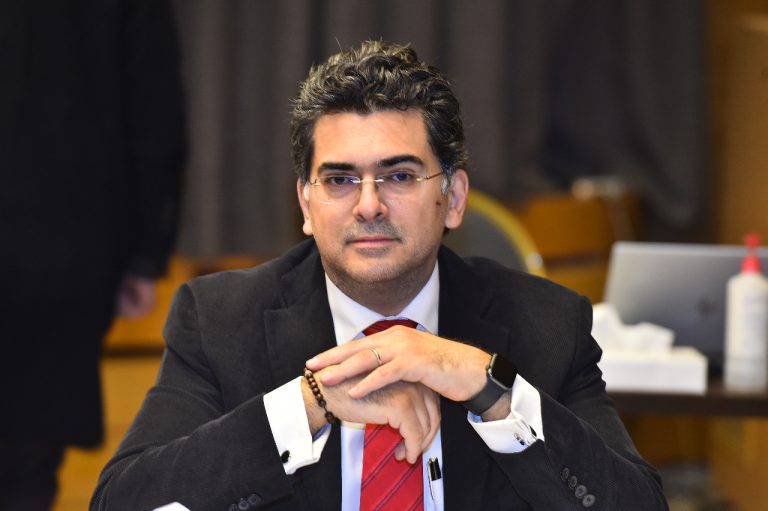
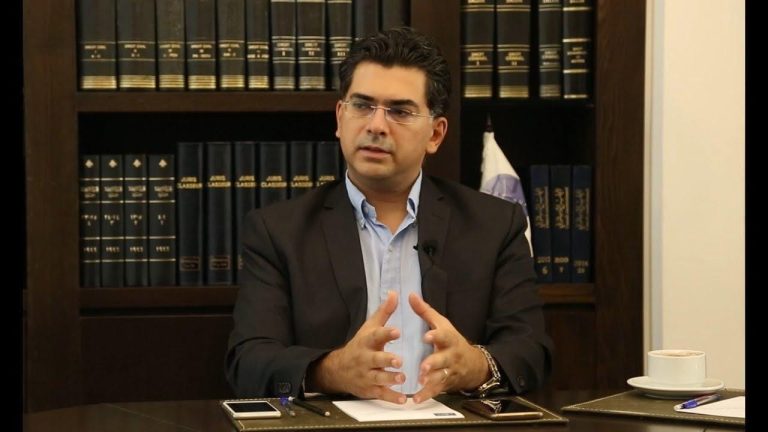
تعليقاً على زيارة الموفد الأميركي عاموس هوكشتاين إلى لبنان، وتأثيرها على الوضع في الجنوب، اعتبر رئيس موسسة “جوستيسيا” الحقوقية والعميد في الجامعة الدولية للأعمال في ستراسبورغ د.بول مرقص أن “الموفد الأميركي، شدد على رفض بلاده اي توسّع لرقعة الحرب من غزة إلى لبنان وبالتالي التحذير من أي تصعيد قد يؤدي إلى اشتعال حرب إضافية.”
وفي حوار مع “حدث أونلاين”، كشف د.مرقص أن “هوكشتاين لم يزر بيروت تحت هذا العنوان فقط، فهو سعى إلى فتح قناة تفاوض مفاوضات حول الأسرى، وذلك انطلاقاً من تجاربه وخبرته في المفاوضات، في ضوء النتائج التي حققتها وساطته في ملف الترسيم البحري، وذلك بمعزلٍ عن عدم العثور على الغاز بعد أعمال الإستكشاف التي قامت بها شركة “توتال”.
وحول ما تردد عن لقاء بين هوكشتاين والمدير السابق للأمن العام اللواء عباس ابراهيم، حول ملف الأسرى، اشار د.مرقص إلى أن “معلومات قد تحدثت عن حصول تواصل وعن دور للواء ابراهيم، ولكن فور انتشار مثل هذه المعلومات، أصدرت حركة حماس نفياً للأمر بمجمله، حيث أكدت أنها لم تكلف اللواء ابراهيم، الذي سبق وأن لعب دوراً في مفاوضات إقليمية وليس فقط لبنانية، وأسفرت عن تحرير العديد من الأسرى في السنوات الماضية.
ومن ضمن هذا السياق، تحدث عن مفاوضات بدأت منذ أسابيع عبر وسطاء أميركيين وبشكلٍ غير مباشر بين إسرائيل و”حزب الله”، وبمتابعة من الجيش، وتتناول التهدئة على الجبهة الجنوبية وعدم التصعيد،أشير إلى أن هوكشتاين، قد نقل رسالة تحذير إلى المسؤولين اللبنانيين، من خطورة امتداد شرارة الحرب من غزة إلى لبنان، وبأن واشنطن لا تريد التصعيد على الجبهة الجنوبية.”
وبناء عليه، اعتبر د.مرقص أن “القرار 1701 قد كرّس واقعاً من الإستقرار في الجنوب رغم أنه قد تمّ خرقه من قبل إسرائيل، حيث أنه نصّ على انتشار الجيش اللبناني بمؤازرة قوات الطوارىء الدولية، مشدداً على أن “خرق هذا القرار لا يسقطه إذ يبقى السند و المستند الوحيد المتبقّي بيد لبنان بالإضافة لاتفاق الهدنة عام 1949 وأدعو إلى التمسك بهذا القرار، كونه ضرورياً في هذا الوقت أكثر من أي وقت مضى للحؤول دون أي حرب ونظراً لأهميته في تحديد قواعد الإشتباك كما من أجل استقرار الجبهة الجنوبية.”
ولفت د.مرقص إلى أن القرار الدولي أتى نتيجة “ توافق محلي اقليمي ودولي وهو اذا جُرد من مفاعيله عندها يسقط بالمعنى السياسي والميداني وليس بالمعنى القانوني، حيث انه يبقى ملزما ويُعتد به من قبل اي طرف يريد انفاذ موجبات يتضمنها هذا القرار بوجه الطرف الآخر” معتبراً إذا كان قد جرى خرقه مرارا وتكرارا من قبل اسرائيل او حتى من اي طرف في لبنان فانه بعد زوال الخرق او حتى اثناء الخرق يبقى ملزما ولا حاجة لاستصدار قرار ثان بالمضمون عينه باعتبار انه لا زال قائما ومنتجا مفاعيله كافة”.
ولاحظ د.مرقص أن “أي فشل في هذا المجال لا يعود للقرار بمضمونه وآليته انما بقدر كبير لعدم التزام الاطراف به لاسيما اسرائيل وعدم اتمام مضمونه منذ صدوره لا سيما لجهة انتشار الجيش اللبناني على نحو واسع وكامل الى جانب القوات الدولية”، ولم يستغرب في حال صدور اي قرار جديد عن مجلس الامن الدولي ان يعيد التأكيد على هذا القرار نظرا لاهميته في رسم قواعد الاشتباك في الجنوب اللبناني.
من أحبط مهمة هوكشتاين الجديدة؟
ترافقت الساعات القليلة التي استغرقتها زيارة الموفد الأميركي آموس هوكشتاين لبيروت، مع تكهنات وتأويلات عدة بعدما جرى الربط ما بين هذه الزيارة وملف الأسرى الإسرائيليين لدى حركة “حماس”، مع العلم أن هوكشتيان قد شدد على أن مهمته العمل على عدم تمدد الصراع من غزة إلى لبنان وتطبيق القرار 1701، وبالتالي فهو أوصل رسالة أميركية إلى بيروت بعدم التصعيد على الجبهة الجنوبية، مع العلم أن السفيرة الأميركية دوروثي شيا كانت قد نقلت هذا التحذير منذ بدء الحرب الإسرائيلية على غزة.
وعليه، يعتبر عميد العلاقات الدولية في الجامعة الدولية للإعمال في ستراسبورغ ورئيس مؤسسة “جوستيسيا” الحقوقية الدكتور بول مرقص، أن الموفد الأميركي، شدد على رفض بلاده أي توسّع لرقعة الحرب من غزة إلى لبنان وبالتالي التحذير من أي تصعيد قد يؤدي إلى اشتعال حرب إضافية.
لكن هوكشتاين لم يزر بيروت تحت هذا العنوان فقط، وفق ما يكشف الدكتور مرقص لـ”ليبانون ديبايت”، فهو قد يكون سعى إلى فتح قناة تفاوض مفاوضات حول الأسرى، وذلك انطلاقاً من تجاربه وخبرته في المفاوضات، في ضوء النتائج التي حققتها وساطته في ملف الترسيم البحري، وذلك بمعزلٍ عن عدم العثور على الغاز بعد أعمال الإستكشاف التي قامت بها شركة “توتال”.
وحول ما تردد عن لقاء بين هوكشتاين والمدير السابق للأمن العام اللواء عباس ابراهيم، حول ملف الأسرى، بشير مرقص إلى أن معلومات قد تحدثت عن حصول تواصل وعن دور للواء ابراهيم، ولكن فور انتشار مثل هذه المعلومات، أصدرت حركة حماس نفياً للأمر بمجمله، حيث أنها أكدت أنها لم تكلف اللواء ابراهيم، الذي سبق وأن لعب دوراً في مفاوضات إقليمية وليس فقط لبنانية، وأسفرت عن تحرير العديد من الأسرى في السنوات الماضية.
ومن ضمن هذا السياق، يتحدث مرقص عن مفاوضات بدأت منذ أسابيع عبر وسطاء أميركيين وبشكلٍ غير مباشر بين إسرائيل و”حزب الله”، وبمتابعة من الجيش، وتتناول التهدئة على الجبهة الجنوبية وعدم التصعيد، مشيراً إلى أن هوكشتاين، قد نقل رسالة تحذير إلى المسؤولين اللبنانيين، من خطورة امتداد شرارة الحرب من غزة إلى لبنان، وبأن واشنطن لا تريد التصعيد على الجبهة الجنوبية.
وبالتالي يعتبر مرقص، أن القرار 1701 قد كرّس واقعاً من الإستقرار في الجنوب رغم أنه قد تمّ خرقه من قبل إسرائيل، حيث أنه نصّ على انتشار الجيش اللبناني بمؤازرة قوات الطوارىء الدولية، مشدداً على أن “خرق هذا القرار لا يسقطه إذ يبقى السند و المستند الوحيد المتبقّي بيد لبنان بالإضافة لاتفاق الهدنة عام 1949 وداعياً إلى التمسك بهذا القرار، كونه ضرورياً في هذا الوقت أكثر من أي وقت مضى للحؤول دون أي حرب ونظراً لأهميته في تحديد قواعد الإشتباك كما من أجل استقرار الجبهة الجنوبية”.
